Gardener Anerley: Recycling and Sustainability for an Eco-Friendly Community
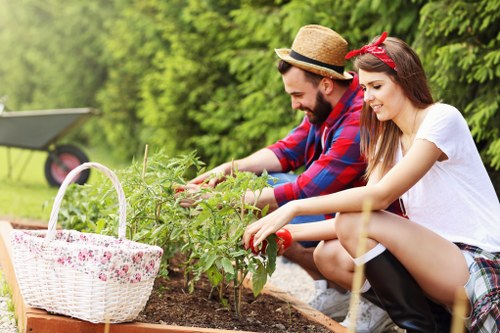 As a local Gardener Anerley service, we place sustainability at the heart of every project. Our approach to an eco-friendly waste disposal area and a practical sustainable rubbish gardening area is designed to reduce landfill, cut emissions and keep green spaces thriving. We work across Anerley and neighbouring neighbourhoods to coordinate green waste separation, reuse of materials and community-led reuse events that reflect the broader boroughs' approach to waste separation and recycling.
The Anerley gardener and landscaping teams promote clear, simple practices: separate food and garden waste at source, sort containers into glass, metal and mixed recycling, and reduce the volume of residual rubbish. Our local gardening and rubbish services support circular-economy principles by prioritising reuse and reprocessing of organic matter into compost and mulch. This reduces the need for chemical fertilisers and closes the loop between garden waste collection and soil health.
 We have set an ambitious recycling percentage target for our operations and local partnerships: a 65% recycling and reuse rate across all gardening and small-scale household waste we handle by 2030. That target aligns with municipal targets in nearby boroughs, which emphasize separate collections for organics, mixed recycling and residual waste. Hitting this goal depends on consistent collection systems, clear labelling for residents and a reliable network of transfer facilities and reprocessors.
Local transfer stations and civic amenity sites play a central role in achieving an effective eco-friendly waste disposal area. We coordinate with nearby household waste recycling centres (HWRCs) and transfer facilities to ensure garden, timber, soil and bulky waste are processed correctly. Typical transfer and processing points we use include:
- Household Waste Recycling Centres (green waste and bulky reuse areas)
- Green waste transfer stations for composting and mulching
- Small-item reuse depots or onward recycling hubs for plastics, metal and glass
 Partnerships with charities and community organisations are essential for diverting useful material from landfill into social value. We work with local charities, community allotments and re-use charities to channel good-condition tools, planters, furniture and surplus soil to people who need them. By matching donated materials to reuse partners we create a sustainable rubbish gardening area where items are repaired, repurposed or redistributed rather than trashed. These partnerships also help fund community projects, boosting environmental education and local resilience.
Operational sustainability extends to how we collect and transport waste. Our fleet increasingly uses low-carbon vans — primarily electric and hybrid models — and we employ route optimisation software to reduce mileage, idling and emissions. Low-emission vehicles paired with consolidated collection points lower the carbon footprint of haulage and support a cleaner, quieter neighbourhood atmosphere. We track fuel use and emissions, reporting reductions as part of annual sustainability reviews.
Creating a true sustainable rubbish gardening area also requires on-site practices: segregation of green waste from mixed household items, containment of soil and compost to avoid cross-contamination, and prioritising local reprocessing. Our gardening crews carry clear labelled bins and train staff in quick sorting techniques so that material arriving at a transfer station is already well separated. This practice increases the rate of successful recycling and reduces the need for secondary sorting at larger facilities.
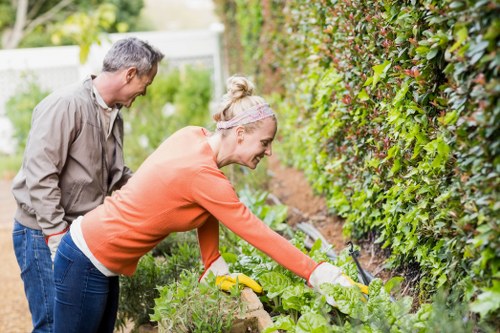 Community engagement complements our technical systems. We coordinate seasonal swap events and reuse markets where residents can bring usable garden equipment, pots and soft furnishings for redistribution. We also promote small-scale composting and communal green waste collection points that feed into local composting programmes. Key actions we encourage include:
- Reuse and donate usable items to charities rather than discarding them
- Repair garden tools and furniture to extend service life
- Upcycle materials into planters, edging and mulches
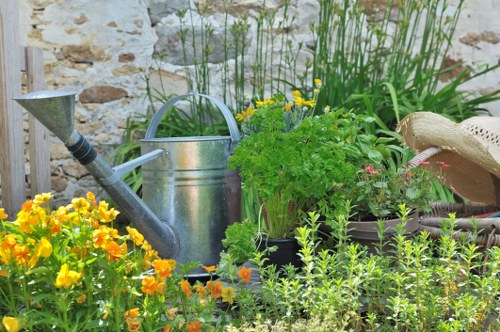 In summary, the Gartener in Anerley (also referred to as Anerley gardening services) combines clear targets, local transfer station partnerships, charity collaboration and a low-carbon vehicle fleet to build a resilient, low-waste future. Our 65% recycling target by 2030 is supported by separation-first practices, effective use of transfer facilities and ongoing community programmes. Together, residents, local organisations and gardening professionals can transform how green space and household waste are handled—creating healthier soils, cleaner streets and a more vibrant community with sustainable rubbish gardening area practices at its core.