Design Your Secret Garden: Tall-Potted Plant Inspirations for Concealed Retreats
Everyone deserves a quiet corner that feels like a deep breath. A tucked-away nook where you can sip tea, read a book, or just watch the clouds roll over the rooftops. In cities and suburbs alike, space is tight and neighbours are closer than we'd always like--but with clever planting and a few tall containers, you can transform the most overlooked balcony, patio, or courtyard into a secluded retreat. In this long-form, expert guide to Design Your Secret Garden: Tall-Potted Plant Inspirations for Concealed Retreats, we'll walk through plant choices, container strategies, step-by-step layouts, UK compliance notes, and maintenance rhythms that actually work in real life.
Picture this: evening light, the soft rustle of bamboo leaves catching a breeze, a whiff of star jasmine on the air, and a friendly hum of the city pushed softly to the background. It's not a fantasy. It's just thoughtful design, well chosen tall potted plants, and a plan that balances beauty with practicality. And yes--you can do it in a weekend.
Table of Contents
- Why This Topic Matters
- Key Benefits
- Step-by-Step Guidance
- Expert Tips
- Common Mistakes to Avoid
- Case Study or Real-World Example
- Tools, Resources & Recommendations
- Law, Compliance or Industry Standards (UK-focused)
- Checklist
- Conclusion with CTA
- FAQ
Why This Topic Matters
Urban life is vibrant, but it can be relentless. Privacy drifts away the moment you step outside--overlooked windows, busy roads, that flat above yours with a direct line to your deck chair. Design Your Secret Garden: Tall-Potted Plant Inspirations for Concealed Retreats matters because it gives you back control of your space. With tall planters and intelligent planting, you can create natural screening, soften harsh views, and carve out a calm, personal haven without building permanent structures.
To be fair, this is larger than aesthetics. The right plants regulate microclimates, reduce glare and wind, trap dust, and support pollinators. The Royal Horticultural Society has long promoted greener cities not just for looks, but for wellbeing and biodiversity--evidence-backed benefits. And yet, you don't need a full garden or planning permission to start; containers let you sculpt privacy that's flexible, movable, and practical for rentals or leaseholds.
Quick story: one late winter morning in London, we stood on a windy balcony where the kettle went cold faster than we could pour. After a weekend of installing tall, lightweight trough planters, clumping bamboo, and scented climbers, it felt like a different postcode. The wind dropped, the noise softened, and--unexpectedly--the neighbour's cat began to visit for sun naps. Small sanctuary, big mood shift.
Key Benefits
Why choose tall potted plants to create concealed retreats and hidden gardens? A few standout advantages:
- Instant privacy without construction: Use height and density to screen lines of sight on balconies, patios, and courtyards.
- Flexibility: Move planters seasonally, rearrange for parties, and adapt to changing light patterns. No heavy commitments.
- Improved microclimate: Tall greenery breaks wind, reduces glare, and creates a cooler microclimate in summer.
- Acoustic softening: Dense foliage can slightly dampen high-frequency noise. Not a miracle, but noticeable.
- Year-round impact: Combine evergreen structure with seasonal stars for a retreat that looks good in December and dazzles in June.
- Biodiversity boost: Nectar-rich climbers and shrubs support urban wildlife--bees, butterflies, and, occasionally, ladybirds on patrol.
- Rental- and lease-friendly: Containers keep you compliant and mobile; your investment can move with you.
Truth be told, the biggest benefit is emotional: walking into your own private green room at the end of a long day. Clean, clear, calm. That's the goal.
Step-by-Step Guidance
Here's a practical, field-tested method to design your secret garden with tall-potted plant ideas that actually conceal, not just decorate.
1) Map Your Sightlines and Microclimate
- Stand in your space at three times of day (morning, mid-afternoon, evening). Note where you feel exposed. Is it the flat across the way? The stairwell? A neighbouring terrace that towers above?
- Track sun and wind. South-facing gets bright and hot; north-facing thrives on shade-tolerant plants. If it was raining hard outside that day, you'll notice how wind funnels through alleys and gaps.
- Measure ceiling height (if covered), parapet or railing height, and available floor area. You'll use this to choose container dimensions and safe loads.
Micro moment: one client texted, "My neighbour can see my toaster." That's the level of detail we want--what view makes you feel watched?
2) Choose Your Tall-Plant Strategy
You've got four main privacy strategies--mix for the best results:
- Vertical pillars: Columnar trees and shrubs (e.g., Cupressus sempervirens, narrow Pittosporum, standard bay).
- Soft screens: Clumping bamboos and tall grasses for movement and sound (choose non-running types).
- Fragrant climbers on trellis: Star jasmine, evergreen honeysuckle, or Clematis armandii on lightweight, modular trellis panels fixed to planters.
- Layered edges: A tall back row plus mid-height fillers and trailing edges to blur outlines and hide gaps.
3) Pick the Right Plants (UK-tested, Container-Friendly)
For Design Your Secret Garden: Tall-Potted Plant Inspirations for Concealed Retreats, consider these reliable, screening-friendly plants:
- Clumping bamboos (Fargesia robusta, Fargesia murielae): Upright, non-invasive, elegant. Avoid running bamboos (Phyllostachys) unless you're very confident and can contain roots. In pots, clumpers behave well and stay put.
- Tall grasses: Calamagrostis x acutiflora 'Karl Foerster' (vertical, tidy), Miscanthus cultivars (plumy, architectural), Pennisetum (soft, tactile). Grasses add movement and gentle sound.
- Evergreen structure: Pittosporum tenuifolium (slim cultivars), Griselinia littoralis, Elaeagnus ebbingei, Photinia 'Red Robin' (as standards), and compact Prunus laurocerasus forms.
- Mediterranean stalwarts: Olive trees in containers (silvery calm), bay laurel (edible and scented), rosemary 'Miss Jessopp's Upright' for vertical accents.
- Climbers: Trachelospermum jasminoides (star jasmine--evergreen, fragrant), Clematis armandii (fast evergreen), Lonicera japonica 'Halliana' (honeysuckle), and hardy passionflower for drama.
- Shade drama: Dicksonia antarctica (tree fern) for a lush, secluded vibe on north-facing patios--think woodland spa.
- Palms: Trachycarpus fortunei and Chamaerops humilis for height without too much spread, and a touch of holiday.
Little aside: you could almost smell the jasmine on a still June evening, even above the faint diesel note from the main road. Plants win that battle more often than not.
4) Containers: Size, Weight, Style, and Stability
- Size: For tall plants, choose deep, wide planters--think 60-80 cm long troughs or 45-60 cm diameter pots. Roots need volume for stability and moisture.
- Material: Lightweight fibreclay, fibreglass, or high-quality resin reduce structural load. Timber planters are lovely but heavier; if used, line with breathable membrane.
- Drainage: Essential. Elevate pots slightly with feet to avoid waterlogging and staining. Add a mesh over holes to stop compost loss.
- Mobility: Install heavy-duty castors under large planters where practical. You'll thank yourself on cleaning day.
- Style: Matte charcoal or soft stone tones recede visually, making greenery pop. A unified palette makes small spaces look calmer, larger.
5) Potting Mix and Watering
Container gardens live or die on the substrate and watering setup.
- Mix: Use a peat-free container compost with added grit or perlite (~20-30%) for drainage. Blend in slow-release fertiliser.
- Mulch: Top with 2-3 cm of bark or gravel to reduce evaporation and weed seeds.
- Irrigation: Drip lines on a simple timer, or self-watering planters with reservoirs. Consider terracotta ollas for low-tech moisture regulation. Aim for deep, infrequent watering rather than a daily sprinkle.
One January, a client swore her bamboo "hated her." Turned out, the potting mix was compacted and water couldn't penetrate. We repotted with airy mix and--no surprise--it perked up in a week.
6) Layout: The Privacy Trident
A simple structure that works in 90% of spaces:
- Backbone: Place your tallest, densest planters along the key sightline (e.g., railing edge facing neighbours). That's your main screen.
- Mid-layer: Add medium shrubs or grasses in front to blur the base and add depth.
- Fragrant climbers: Slot trellis panels where you need height without bulk--by the seating area or near doors so you catch the scent.
Leave practical gaps for access and cleaning (60-90 cm walkways feel comfortable). And keep one little "reveal" to a nice view--a church spire, a big sky. Privacy doesn't mean shutting the world out entirely.
7) Seasonal Care and Pruning
- Spring: Feed with slow-release fertiliser; top up mulch; prune damaged stems.
- Summer: Water deeply; tie in climbers; deadhead flowering plants to prolong bloom.
- Autumn: Light reshape; check stakes; reduce watering as temperatures drop.
- Winter: Wrap tender containers with fleece or bubble wrap; raise pots off cold slabs; watch for wind rock and waterlogging.
It's kinda wild how a 15-minute monthly tidy keeps the whole space serene. You'll see why by midsummer.
Expert Tips
These are the learned-in-the-rain insights that separate a pleasant potted patio from a truly concealed retreat worthy of the phrase Design Your Secret Garden: Tall-Potted Plant Inspirations for Concealed Retreats.
- Think in "screens," not plants: Every plant must serve a screening role: block a view, soften a corner, or frame a vista.
- Use staggered heights: Alternate tall, mid, and trailing forms to avoid that "soldiers in a row" look.
- Borrow light, hide glare: Pale walls behind foliage bounce light back; glossy leaves near windows can reflect too much--mix textures.
- Wind management: In exposed sites, choose flexible plants (grasses, clumping bamboo) and heavier, squat containers that won't sail away.
- Fragrance placement: Put scented plants where breezes pass your seat or doorways--jasmine, rosemary, and lavender near noses and hands.
- Plant health equals privacy: A sickly plant is a hole in your screen. Inspect monthly for pests like vine weevil (check for notched leaves), mealybug, and red spider mite.
- Lighting: Warm white, low-glare outdoor lighting pointed through foliage creates the sense of depth after dark. Instant magic.
- Water discipline: Overwatering is the silent killer of container gardens. Check moisture with a finger or meter before topping up.
- Quiet corners: A small water bowl or soft fountain adds white noise; even a gentle dripper masks chatter without annoying the neighbours.
Ever tried clearing a room and found yourself keeping everything "just in case"? Same trap with plants. Be selective. Let the best do the heavy lifting.
Common Mistakes to Avoid
- Choosing running bamboo in containers without understanding their aggression. Clumpers only for most people.
- Under-potting tall plants: Small pots tip or dry fast; aim for larger volumes and weight for stability.
- Ignoring weight: Balconies have load limits; use lightweight planters and substrate blends. Spread weight evenly.
- Skipping drainage: Waterlogged roots lead to sudden plant collapse--especially in winter. Drill adequate drain holes if needed.
- Monoculture screens: One species may look sleek, but pests or a harsh winter can wipe it out. Mix two or three types for resilience.
- Blocking your own light: Don't create a green wall that turns your living room into a cave. Step plants down near windows.
- No maintenance plan: Tall potted plants need feeding, pruning, and occasional repotting. Put appointments in your calendar.
Yeah, we've all been there--buying the gorgeous, wrong plant on impulse. Happens. Swap or gift it and move on.
Case Study or Real-World Example
Project: A Secluded Balcony Retreat in South London
Brief: A second-floor, west-facing balcony in a Victorian conversion--overlooked from three sides, windy, and hot in summer. The client wanted a private evening nook for reading and a tiny outdoor dining spot for two.
Constraints: Load concerns (older building), lease restrictions (no permanent fixtures to the facade), and neighbourly right-to-light considerations.
Design Moves:
- Weight-smart containers: Four fibreglass trough planters (80 cm x 30 cm x 40 cm) and two round resin planters (50 cm diameter), all with feet for drainage. Total estimated saturated weight per metre kept comfortably below typical balcony service loads; confirmed with managing agent.
- Plant palette: Back row of Fargesia robusta for soft height (approx. 2.5 m in containers), mid-layer of Pittosporum tenuifolium 'Silver Queen' for evergreen shimmer, and a pair of olives as vertical punctuation. A trellis panel integrated into two troughs for Trachelospermum jasminoides by the bistro table.
- Irrigation: Simple 6mm drip line on a battery timer, hidden behind planters. Top-up access point near outdoor tap; overflow routed away from neighbours below.
- Comfort: A slim bench with storage, outdoor rug in a charcoal weave, and two low-glare, warm LED uplights aimed through bamboo to make leaves glow at dusk.
Outcome: Privacy improved immediately; from the street, the balcony looked greener but not bulky. Wind shear dropped noticeably due to the semi-permeable screen of bamboo and olives. Scent from jasmine drifted across the seating by 8pm on warm nights. The client sent a message in July: "I sat out there after a long day, heard the leaves whisper, and forgot about emails for a whole hour." That's the whole point.
Tools, Resources & Recommendations
If you're serious about Design Your Secret Garden: Tall-Potted Plant Inspirations for Concealed Retreats, these are the kit and references that consistently help.
Essential Tools
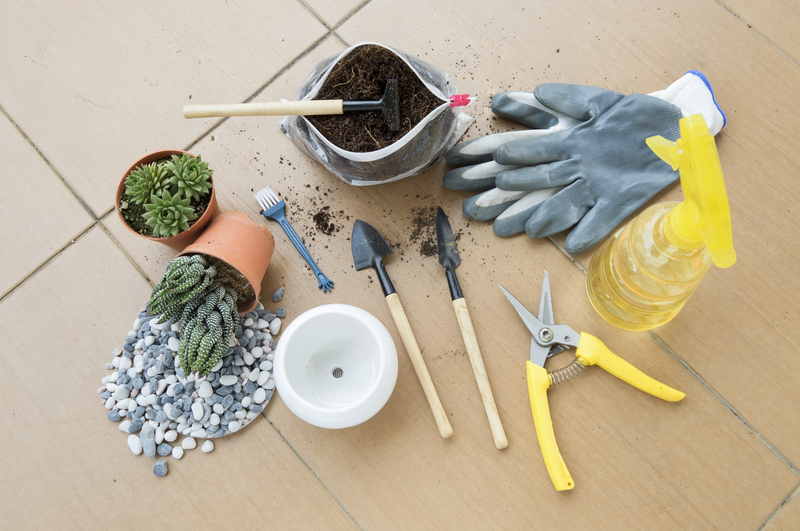
- Strong hand trowel and a narrow spade for decanting compost into troughs
- Secateurs and loppers for pruning shrubs and bamboo culms
- Moisture meter (optional, but very handy)
- Hose with trigger spray or a 10-15 litre watering can
- Planter feet or risers to protect surfaces and improve drainage
- Fleece and jute twine for winter protection
- Drip irrigation starter kit with a battery timer
- Heavy-duty castors for large containers
Planting Media and Additives
- Peat-free container compost (UK-available blends designed for pots)
- Perlite or horticultural grit to lighten and aerate the mix
- Slow-release fertiliser granules (balanced NPK)
- Top mulch: bark chips, composted fine bark, or decorative gravel
Reliable Plant Categories for Screening
- Clumping bamboo: Fargesia types for non-invasive, upright structure
- Evergreen shrubs: Pittosporum, Griselinia, Elaeagnus, compact Prunus
- Trellis climbers: star jasmine, evergreen honeysuckle, Clematis armandii
- Architectural accents: olives, bay, Trachycarpus palm, tree fern (shade)
- Tall grasses: Calamagrostis, Miscanthus, Pennisetum
Reference Points
- RHS (Royal Horticultural Society) plant profiles and care guidance
- UK Met Office for regional frost dates and wind patterns
- Local council planning portal for any unique balcony or facade restrictions
- Lease or building handbook for balcony use and weight/load policies
Ever wondered why one balcony jungle thrives while the next door's looks tired? Nine times out of ten, it's the soil, the watering rhythm, and the right plant in the right place. Not fancy pots. Not pricey lights. Basics matter most.
Law, Compliance or Industry Standards (UK-focused if applicable)
Privacy planting in containers is generally straightforward in the UK, but there are sensible, sometimes crucial rules and norms to keep in mind. This section is not legal advice, just best-practice guidance from industry experience.
- Building Regulations, Part A (Structure): Balconies and roof terraces have load limits. Many residential balconies are designed for specified live loads; always confirm capacity with the freeholder, managing agent, or a structural engineer before adding heavy planters. Spread weight evenly and avoid concentrating loads at edges or single points.
- Water and moisture (Part C): Ensure adequate drainage so water doesn't pond and seep into the structure. Use tray systems or saucers that you can empty, and avoid run-off onto neighbours below.
- Protection from falling (Part K): Don't stack planters on railings or create climbable structures that reduce the effectiveness of balustrades. Maintain the required balustrade height and safe gaps.
- Fire safety: Many UK landlords and managing agents prohibit BBQs and combustible screening on balconies. Dry plant material can be combustible--keep foliage green and healthy, remove dead matter, and avoid dense reed screens. Follow your building's specific fire guidance.
- Planning considerations: In private gardens, fences over certain heights usually need planning permission, but movable planters typically don't. Still, if containers effectively become a permanent screen impacting neighbours' light or outlook, it may cause disputes. Use common sense and dialogue.
- Right to Light (common law): Persistent, significant obstruction of a neighbour's light can lead to disputes or claims, particularly where rights have accrued. Keep tall screens set back, and choose porous, green solutions versus solid walls.
- Leasehold covenants: Check for clauses on alterations, loads, watering systems, and external appearance. Managing agents often have clear do/don't lists for balconies.
- Health & safety: Secure tall planters against wind. In very exposed sites, consider discreet anchoring to planter trays or anti-tip bases. Keep walkways trip-free.
When in doubt, ask. A quick email to your property manager beats a stern letter later.
Checklist
Use this to keep your Design Your Secret Garden: Tall-Potted Plant Inspirations for Concealed Retreats project on track.
- Measure space, rail heights, and note sun/wind exposure.
- Confirm load capacity or consult your building management.
- Choose main screening strategy (pillars, soft screens, climbers, or layered mix).
- Select 2-3 hero plants and supporting cast for year-round structure.
- Source lightweight, deep planters with good drainage and matching style.
- Prepare a breathable, peat-free potting mix with added perlite/grit.
- Install planter feet, drip irrigation, and mulch to reduce maintenance.
- Arrange backbone, mid-layer, and scented trellis near seating areas.
- Set a quarterly care schedule: feed, prune, inspect pests.
- Review after one month and adjust layout for better privacy or flow.
One line that stands alone because it's true: small, steady tweaks beat big, rare overhauls.
Conclusion with CTA
Your space deserves to feel like yours. With tall-potted plants, considered containers, and a little know-how, you can build a concealed retreat that looks great on day one and matures into something genuinely special. From clumping bamboo that rustles in the evening breeze to star jasmine perfuming the air, the right planting turns noise into hush and eyes into soft focus. Ever sat outside and felt your shoulders drop an inch? That.
Whether you've got a tiny London balcony or a yawning patio in the suburbs, the principles above will help you Design Your Secret Garden: Tall-Potted Plant Inspirations for Concealed Retreats that fits your life. Start simple. Choose a backbone, add a mid-layer, thread in fragrance. Then sit. Breathe. Enjoy.
Get a free quote today and see how much you can save.
And when the leaves catch the light just so, you'll know you did a lovely thing for yourself. Quietly brilliant.
FAQ
What are the best tall potted plants for privacy on a windy UK balcony?
Choose flexible, resilient species: clumping bamboos like Fargesia, tall grasses such as Calamagrostis 'Karl Foerster', and sturdy evergreens like Pittosporum or Griselinia. Use heavier, stable containers and avoid top-heavy trees that act like sails.
How big should containers be for tall screening plants?
As a rule, aim for at least 45-60 cm diameter or 60-80 cm trough length with good depth (35-45 cm). Larger volumes offer better root stability, moisture retention, and wind resistance.
Do I need planning permission for a tall planter screen?
Movable planters generally don't need permission, but if they create a permanent, solid screen that affects neighbours' light or outlook, issues may arise. Check lease covenants and discuss with neighbours to prevent disputes.
What's the best soil mix for tall containers?
A peat-free container compost lightened with 20-30% perlite or horticultural grit for drainage, plus slow-release fertiliser. Top with mulch to reduce evaporation and suppress weeds.
How often should I water tall potted plants?
In summer, deep water 1-2 times per week depending on heat and wind. In winter, water sparingly, only when the top few centimetres are dry. A drip system on a timer keeps things consistent and low effort.
Can I grow bamboo in pots without it taking over?
Yes--choose clumping varieties like Fargesia. Use large, sturdy containers, refresh some compost yearly, and divide if congested every few years. Avoid running bamboos unless you're very experienced and have robust containment.
What evergreen climbers work for year-round screening?
Star jasmine (Trachelospermum jasminoides), Clematis armandii, and evergreen honeysuckle provide evergreen foliage and seasonal scent. Train on trellis panels integrated into planters.
How do I reduce the weight of my planters safely?
Use lightweight planters (fibreglass, resin), mix compost with perlite, and avoid excessive gravel at the base. Spread planters out to distribute load. Confirm balcony capacity with building management if in doubt.
Will tall plants make my flat too dark?
If you layer thoughtfully--tall at the perimeter, medium in the midline, and low near windows--you can maintain good daylight. Choose airy screens (grasses, bamboo) instead of solid hedging where light is precious.
What pests commonly affect container screens in the UK?
Vine weevil (notching on leaves; grubs in soil), red spider mite in hot, dry spells, and mealybug on sheltered evergreens. Inspect monthly, water correctly, and use biological controls or targeted treatments as needed.
How do I protect tall potted plants in winter?
Raise pots off cold ground, wrap containers with fleece or bubble wrap, and shelter wind-sensitive plants. Reduce watering and ensure excellent drainage to prevent root rot.
Can tall planters really reduce noise?
They won't soundproof a space, but dense, leafy planting can soften high-frequency sounds and create a more tranquil feel. Add gentle water features for masking if allowed by your building.
What's the simplest layout for a small balcony?
Use a row of deep trough planters along the most exposed edge with clumping bamboo or Pittosporum, a trellis panel with star jasmine near seating, and one accent tree (olive or bay) for height and character. Keep a clear path.
How soon will I see privacy results?
Instantly with mature plants, though screens fill out and improve over the first growing season. Grasses and climbers in particular can transform a space within a single summer.
Is there a low-maintenance option that still looks lush?
Yes: combine Fargesia bamboo, olive, and Calamagrostis with drip irrigation and mulch. Minimal pruning, reliable structure, and year-round presence with just seasonal feeding.
Final note: however small your space, it can hold a quiet moment. Set it up once, then let the leaves do the talking.