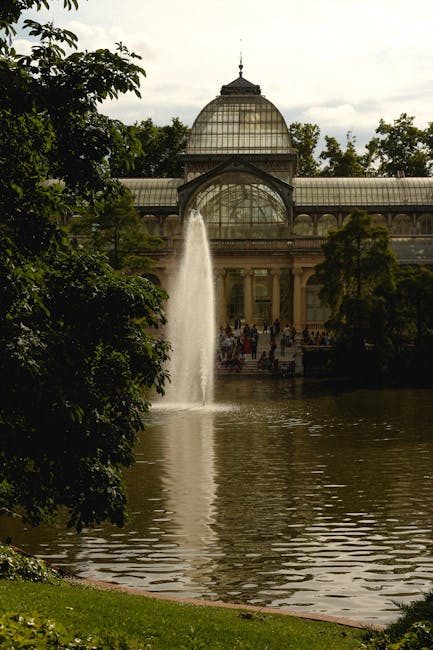
Crystal Palace Park verge care and commercial gardeners for events
Planning a public event around Crystal Palace Park sounds simple enough on paper. Then the practical jobs arrive: keeping verges tidy, making entrances look cared for, managing footfall, and making sure the whole site still feels presentable by the time the first guests turn up. That is where Crystal Palace Park verge care and commercial gardeners for events becomes more than a maintenance task. It becomes part of the event experience itself.
Whether you are organising a community gathering, a branded activation, a local celebration, or a seasonal event with temporary structures, the outside spaces matter. A lot. Untidy edges, damaged turf, overgrown boundaries, or poor post-event recovery can leave the wrong impression before anyone has even stepped inside. This guide explains how verge care works, who needs it, what good event gardening looks like, and how to plan it sensibly without turning it into a last-minute scramble.
For readers who want a broader view of the wider service offer behind this kind of work, the services overview is a useful starting point, especially if your event site needs more than one type of garden support.
Table of Contents
- Why it matters
- How it works
- Key benefits and practical advantages
- Who this is for and when it makes sense
- Step-by-step guidance
- Expert tips for better results
- Common mistakes to avoid
- Tools, resources and recommendations
- Law, compliance, standards, or best practice
- Options, methods, or comparison table
- Case study or real-world example
- Practical checklist
- Conclusion
- Frequently asked questions
Why Crystal Palace Park verge care and commercial gardeners for events Matters
Verges are one of those details people rarely praise when they are done well, yet everyone notices when they are not. Around event venues, verges, edges, and boundary strips do a lot of quiet work. They guide movement, frame the site, soften hard landscaping, and stop the place from feeling neglected. In a park setting, that matters even more because the setting itself already carries a strong visual identity. If the perimeter looks scruffy, the event can feel improvised rather than professionally managed.
Commercial gardeners for events are different from general garden contractors in one key way: they have to think in terms of timing, access, safety, appearance, and recovery all at once. It is not only about mowing grass or trimming a hedge. It is about coordinating works around delivery vehicles, temporary fencing, marquees, signage, crowd routes, and the inevitable pressure of a tight programme. Frankly, if a verge is only treated as "the bit outside," it often becomes the bit that causes the most hassle.
At a place such as Crystal Palace Park, verge care also helps with practical crowd management. Clear edges make pathways easier to read. Tidier planting and defined margins reduce accidental trampling. Shorter, healthier growth can improve sightlines and make stewarding easier. And after the event, a prompt tidy-up can protect the site's appearance for the next users. That is not glamorous work, but it is the sort of detail that helps an event feel calm and organised instead of slightly chaotic.
Expert summary: good verge care is not just about presentation. It supports access, safety, event flow, and the long-term condition of the site. Done properly, it quietly makes everything else easier.
How Crystal Palace Park verge care and commercial gardeners for events Works
The process usually starts with a site visit or a very clear brief. A commercial gardener will want to understand where people arrive, which verges are visible to the public, which areas will carry temporary loads, and which spaces need to be left undisturbed. On an event site, those questions matter more than the exact flower species or whether the grass is cut to one millimetre either way. The operational picture comes first.
From there, the work is typically split into three stages:
- Pre-event preparation - mowing, strimming, edging, hedge trimming, clearance, and any light landscape tidying needed to make the site presentable and safe.
- Event-period support - ongoing touch-ups, rapid response to litter build-up or weather damage, and small adjustments if foot traffic begins to affect fragile edges.
- Post-event recovery - repairing flattened areas, clearing debris, re-cutting borders if needed, and restoring the verge to a healthy state.
Not every event needs all three stages, but larger or more visible ones often do. A one-day gathering with light footfall is very different from a multi-day festival-style setup. You can usually tell which type you are dealing with by the amount of temporary infrastructure involved. More fencing, more vehicle movement, more pressure on the ground. Simple enough, really.
Good commercial gardeners also work around weather windows. In London, one wet afternoon can change everything. Grass that was fine at 9am can be muddy by lunch, and a freshly trimmed verge can look oddly untidy if it is cut too late before a big crowd arrives. Timing, in practice, is half the job.
Where a site needs broader improvement rather than just event-day grooming, it can help to combine verge work with landscaping support or longer-term garden maintenance. That way, the event prep does not sit on top of an already tired site.
Key Benefits and Practical Advantages
The obvious benefit is appearance. Clean verges, sharp edges, and controlled growth make a site feel cared for. But the stronger value is practical. Event organisers tend to focus on stages, marquees, and signage; the edges are where the unseen risk and wear build up. Sorting those edges early often saves time later.
Here are the main advantages people usually notice:
- Better first impressions - the site feels intentional, not left to chance.
- Clearer movement routes - people can see where to walk, pause, or queue.
- Reduced trip and snag risks - especially where roots, uneven edges, or long grass might hide problems.
- Less post-event damage - healthier verges recover faster after footfall or light vehicle use.
- Improved coordination - gardeners can work around event schedules, access windows, and site restrictions.
- More consistent standards - useful when several contractors are working on the same project.
There is also a commercial benefit that gets overlooked: the site photographs better. That matters for promotion, stakeholder updates, and simply keeping a professional record of the day. A tidy verge may not be the star of the image, but it supports everything in the frame. Bit of a background hero, really.
For events that involve phased setup and removal, this service can also reduce friction between teams. A tidy verge line can give AV crews, stewards, and logistics staff a cleaner working boundary. If you have ever watched three different teams try to share one muddy access lane, you will know why that matters.
Who This Is For and When It Makes Sense
This kind of service is relevant to a wider range of people than you might expect. It is not only for large-scale festivals. In fact, smaller events sometimes benefit even more because they have fewer spare hands and less room for error.
It makes sense for:
- event organisers managing outdoor public spaces
- venue teams responsible for the appearance of park edges and approach routes
- local community groups planning fairs, performances, or seasonal gatherings
- brand teams setting up temporary activations or promotional events
- contractors who need a reliable site support team before and after build days
- landscape managers looking after a site that must stay presentable under pressure
It is also useful when a site is already under strain. Maybe the grass has been wet for a week. Maybe the verges have become patchy after repeated pedestrian traffic. Maybe you have a narrow window between one event finishing and another beginning. In those situations, you need gardeners who understand triage. Not every surface can be made perfect in one visit, and that is okay. The aim is to restore order, not perform miracles with a pair of shears.
If your event area is also being reworked more broadly, you may need to bring in garden clearance before the finer verge work begins. Clearing debris, unwanted growth, and loose material first makes the finishing stage much more effective.
Step-by-Step Guidance
If you are planning Crystal Palace Park verge care and commercial gardeners for events, a structured process helps everything feel less frantic. Here is the approach that usually gives the best results.
-
Define the event footprint.
Map the areas that guests will see and use, plus the service routes, delivery points, and any no-go zones. Do not rely on memory. Event plans always look bigger on paper than in your head, which is annoying but useful.
-
Identify verge priorities.
Separate the "must be perfect" sections from the "must be safe and tidy" sections. Entrance verges, photo backdrops, and public-facing boundaries often need more precise work than hidden edges.
-
Set a maintenance window.
Choose when mowing, trimming, edging, and clearance should happen. Leave enough buffer for wet weather, access delays, and last-minute changes. You do not want to finish a cut and then have two lorries track through it five minutes later.
-
Coordinate with the wider event contractor team.
Gardening works should fit around staging, fencing, power runs, and waste collection. Good coordination prevents repeated damage to the same area.
-
Use the right finish for the setting.
Some verges need crisp edging and a neat cut. Others need a lighter hand because soil condition, roots, or tree cover make aggressive cutting unwise. A decent commercial gardener will know the difference and explain it plainly.
-
Plan a post-event recovery visit.
Even tidy events leave some wear behind. A quick return visit for debris removal, re-cutting, and minor repairs can stop small problems from becoming visible damage.
One practical tip: if you are unsure whether your verge needs a light tidy or a full recovery plan, ask for a phased recommendation rather than a one-size quote. That keeps the work aligned with the actual condition of the site, not just the calendar.
Expert Tips for Better Results
In our experience, the best event gardening jobs are the ones where the site is treated as a working environment rather than a static garden. That sounds obvious, but it changes how the work is planned.
- Work backwards from the event start time. Allow for the last check, not just the final cut.
- Protect the edges before the crowd arrives. Temporary barriers or signage can preserve a verge far better than constant verbal reminders. People do not always read signs, to be fair, but they do often follow obvious boundaries.
- Prioritise the most visible approach points. Entrances, pathways, and adjacent public routes usually matter more than hidden areas.
- Keep cutting height sensible. Cutting too low on stressed grass can leave a site looking brown and tired by the next morning.
- Build in weather tolerance. A damp verge can tear. A dry verge can dust. Both need judgement.
- Use one person to sign off the finished condition. It stops half-finished work from being called "done" just because the team moved on.
A small thing, but worth saying: if an event has a lot of foot traffic at the edges, ask the gardeners to look at how people will actually enter and exit, not just where the plan says they should. Real people drift. They cut corners. They bunch up near food stalls. That is life, sadly. Good verge care anticipates it.
Where hedges, shrubs, or boundary planting sit alongside verges, paired works can be efficient. Hedge trimming often makes the entire perimeter feel sharper, while lawn mowing helps keep the surrounding spaces visually consistent.
Common Mistakes to Avoid
The most common mistake is leaving verge care until the last possible day. It sounds efficient, but it usually backfires. The cut looks rushed, weather ruins the finish, and there is no time to correct anything if the site changes at short notice.
Other mistakes include:
- Ignoring recovery time - freshly cut or recently disturbed grass may need time before heavy use.
- Overlooking access routes - one muddy delivery path can undo a lot of neat work.
- Using the wrong team for the job - a general gardener may be fine for routine upkeep, but event work usually needs better coordination and pacing.
- Failing to define responsibility - if multiple contractors are involved, nobody should be guessing who handles what.
- Focusing only on the front-facing areas - the side routes and service edges often cause the bigger problems later.
Another one people underestimate: not checking where trees affect the verge. Shade, roots, and falling debris can change what is realistic. In such cases, a quick review of any nearby tree issues is sensible, and tree lopping and removal support may be relevant if safety or access is being compromised.
Truth be told, most verge problems are not dramatic. They are just cumulative. A little damage here, a missed cut there, a wet weekend, a delivery vehicle turning too tight. Then suddenly the site feels shabby. That is usually how it goes.
Tools, Resources and Recommendations
For event verge care, the best tools are the ones that let you work accurately and calmly, not aggressively. That usually means commercial-grade mowing equipment, edging tools, strimmers, blowers, hand tools for finishing, and suitable waste handling equipment. The exact toolkit depends on the site, but the principle is the same: neatness comes from control.
Useful operational resources include:
- a site plan showing access points, event zones, and protected areas
- a simple work schedule covering pre-event, live-event, and post-event visits
- a contact list for the event manager, site lead, and any other contractors
- photo notes before and after the works, especially for sensitive verges
- a weather-aware checklist so tasks can be adapted quickly
If you are commissioning work rather than doing it yourself, ask for clarity on what is included. Does the job cover cutting only, or cutting plus edging and debris removal? Is there a return visit if the event overruns? Are waste disposal arrangements included? Those little details matter more than people expect.
For longer-term care across a park-facing or event-facing site, it is often sensible to combine regular upkeep with broader garden maintenance and, where needed, selective landscape gardening. That gives you a more stable baseline before event season begins.
Law, Compliance, Standards, or Best Practice
This topic sits in a practical compliance space rather than a heavily regulated one, but there are still standards that matter. Event sites need to be managed safely, access routes need to remain sensible, and contractors need to work in a way that reduces risk to the public and other site users. In the UK, that usually means following sensible health and safety practice, using competent staff, and keeping clear communication between organisers and contractors.
For verge care in a public park environment, best practice usually includes:
- risk-aware planning before any machinery is used
- clear separation between work zones and public areas
- attention to slips, trips, and uneven ground
- safe handling and removal of green waste
- care around trees, roots, and protected soft ground
- respect for site-specific requirements and event restrictions
It is also sensible to confirm that the contractor is covered by appropriate insurance and follows its own safety processes. You do not want vague reassurance here. You want a clear, calm explanation of how the work will be carried out and what happens if conditions change on the day. If needed, reviewing a company's insurance and safety information can help you understand that part of the picture.
Where waste is being collected and removed, many organisers also care about environmental handling and reuse. A thoughtful approach to green waste, packaging, and site debris is simply good practice. If sustainability matters for your event, it is worth asking how the contractor approaches disposal and recycling. The cleaner the process, the less messy the aftermath.
Options, Methods, or Comparison Table
Not every event site needs the same level of service. Some only need a clean-up before guests arrive. Others need full pre-event grooming, live support, and recovery work after the last person has gone home. The right option depends on the condition of the verge, the length of the event, and how visible the site is.
| Approach | Best for | Strengths | Limitations |
|---|---|---|---|
| Basic tidy-up | Small events with light foot traffic | Quick, cost-conscious, suitable for simple presentation work | Limited recovery support if the site gets heavy wear |
| Pre-event prep plus finish | Most public-facing gatherings | Balanced option with mowing, edging, and final presentation checks | Needs good timing and coordination |
| Full event support | Busy events, multi-day use, or sensitive sites | Best for protecting verges and responding to changes quickly | More planning and a broader brief are needed |
| Recovery-only work | Sites that were damaged by footfall, vehicles, or weather | Useful after the event when the focus is repair and reset | Does not help with the live event itself |
If the verge is already untidy or overgrown, a phased approach is usually better than trying to do everything in one rush. That may mean a first pass for clearance, then a finer finishing visit closer to the event. It is not fancy. It just works.
Case Study or Real-World Example
Imagine a local outdoor event with guest arrival routes along the park edge, a temporary food area, and a small performance space nearby. The organiser has a clean site map, but the verge leading up to the main entrance has patchy grass, soft ground from recent rain, and a few messy boundary areas where deliveries have already tested the surface.
Instead of trying to solve everything with one late mow, the gardener stages the work. First, the worst debris and loose material are cleared. Then the verge is cut carefully, with the blade height left sensible because the grass is already under stress. The edges near the entrance are finished more neatly than the hidden side boundary. A final check is done shortly before opening, just in case the weather or deliveries changed the surface condition.
The result is not perfection in a theatrical sense. It is better than that. The site looks organised, the entrance reads clearly, and the event team is not fighting against the verge all day. That is the kind of practical success people remember, even if they never say it out loud.
Where a site also needs a broader reset after setup traffic, pairing verge work with garden clearance can make the finishing stage much smoother. And if the event setting includes fixed features or a terrace area, decking services may be relevant to the wider presentation and access plan.
Practical Checklist
Use this checklist before agreeing verge care for an event site. It keeps the conversation focused and avoids a lot of back-and-forth later.
- Have the event footprint and access routes been mapped clearly?
- Do you know which verge sections are public-facing and which are service-only?
- Has the work been timed around build, live use, and breakdown?
- Are mowing, edging, clearance, and recovery all specified where needed?
- Has the contractor explained how wet weather will affect the schedule?
- Are tree roots, shaded areas, or soft ground likely to change the work plan?
- Has waste removal been discussed, including any green waste handling?
- Do you have one named person responsible for approving the finished condition?
- Has safety around the public, staff, and machinery been considered?
- Is there a post-event return visit if the site needs repair or reset?
If you can answer most of those with confidence, you are in a good place. If not, pause and tighten the brief before the event gets close. It saves headaches. Honest.
Conclusion
Crystal Palace Park verge care and commercial gardeners for events is really about control, timing, and presentation working together. The best results happen when the verge is treated as part of the event infrastructure, not as a decorative afterthought. Once you look at it that way, the job becomes clearer: protect the edges, guide the flow, reduce wear, and leave the site ready for the next use.
For organisers, the value is practical as much as visual. For site managers, it is about keeping standards steady under pressure. And for everyone involved, it is one of those services that quietly makes the whole day feel easier. Not flashy. Just solid. Which, let's face it, is what you want when the clock is ticking and people are already arriving.
For a responsible, well-organised approach to event-ready gardening, it helps to work with a team that understands site presentation, safety, and timing, while also keeping an eye on related services and longer-term care. You can learn more about the wider business background on the about us page, and if you are ready to talk through your event plans, the contact us page is the natural next step.
Get a free quote today and see how much you can save.
Frequently Asked Questions
What does verge care involve for an event site?
It usually includes mowing, edging, trimming, debris removal, and sometimes recovery work after the event. The exact scope depends on how visible the verge is and how much footfall or vehicle movement it will take.
Why is verge care so important for events in a park setting?
Because verges influence first impressions, access, and safety. A tidy verge helps the site look organised and also reduces the chance of hidden trip hazards or damaged ground.
Do commercial gardeners for events work only before the event starts?
No, they can also support the site during the event and afterwards. Live-event support and post-event recovery are often just as important as the initial tidy-up.
How far in advance should verge work be planned?
As early as possible, ideally before the event build begins. That gives you room for weather changes, access issues, and any extra works that become obvious during the site walk.
What if the ground is wet before the event?
Then the plan may need adjusting. Wet ground can change the type of cutting, the timing of access, and whether heavier equipment is appropriate. A good contractor should explain the options clearly.
Can verge care help with crowd management?
Yes. Clear, tidy verge edges can make routes easier to read and can help people move more naturally through the site. It is a small thing, but it does make a difference.
Is this service the same as normal garden maintenance?
Not quite. Garden maintenance is usually ongoing and broader, while event verge care is more time-sensitive and focused on presentation, access, and recovery around a specific date.
What should I ask a gardener before booking event work?
Ask what is included, how weather is handled, whether post-event recovery is available, and how they coordinate with other contractors. Those answers tell you a lot about how the job will actually run.
What are the biggest mistakes event organisers make with verge care?
The biggest ones are leaving it too late, underestimating recovery time, and failing to coordinate with the wider event setup. In short, the verge gets treated as an afterthought until it starts causing trouble.
Do I need additional services if the site is overgrown or cluttered?
Often yes. If the verge area has become neglected, it may need clearance first, followed by more precise finishing work. In some cases, hedge trimming or tree work may also be part of the wider plan.
How do I know whether I need a basic tidy-up or full event support?
If the site is simple, with light public use, a tidy-up may be enough. If the event is busy, multi-day, or visually important, full support is usually the safer choice. When in doubt, ask for a phased recommendation rather than guessing.
Can verge care be combined with other garden services?
Absolutely. It often works best alongside lawn mowing, garden clearance, hedge trimming, and broader maintenance. That way the site feels consistent instead of half-finished from different angles.
For anyone comparing service levels or planning a wider site refresh, it may also help to review the pricing and quotes information, which can clarify how different scopes of work are typically approached.